Customer Churn Linked to Personalization Errors From Bad Data
Inaccurate customer data turns personalization into a churn driver.
Personalization has become table stakes in customer experience. The industry has the causality backwards: fast-growing companies earn 40% more revenue from personalization, because the companies doing it well have already solved a problem most of their competitors haven't touched. Gartner surveyed 1,464 B2B buyers and consumers and found that personalized marketing generates negative experiences for 53% of customers. Most personalization spending right now makes things worse, and the reason has nothing to do with strategy or creative. Whether the data behind the personalization is even true is the deeper cause.
The gap between what brands think they know and what customers experience
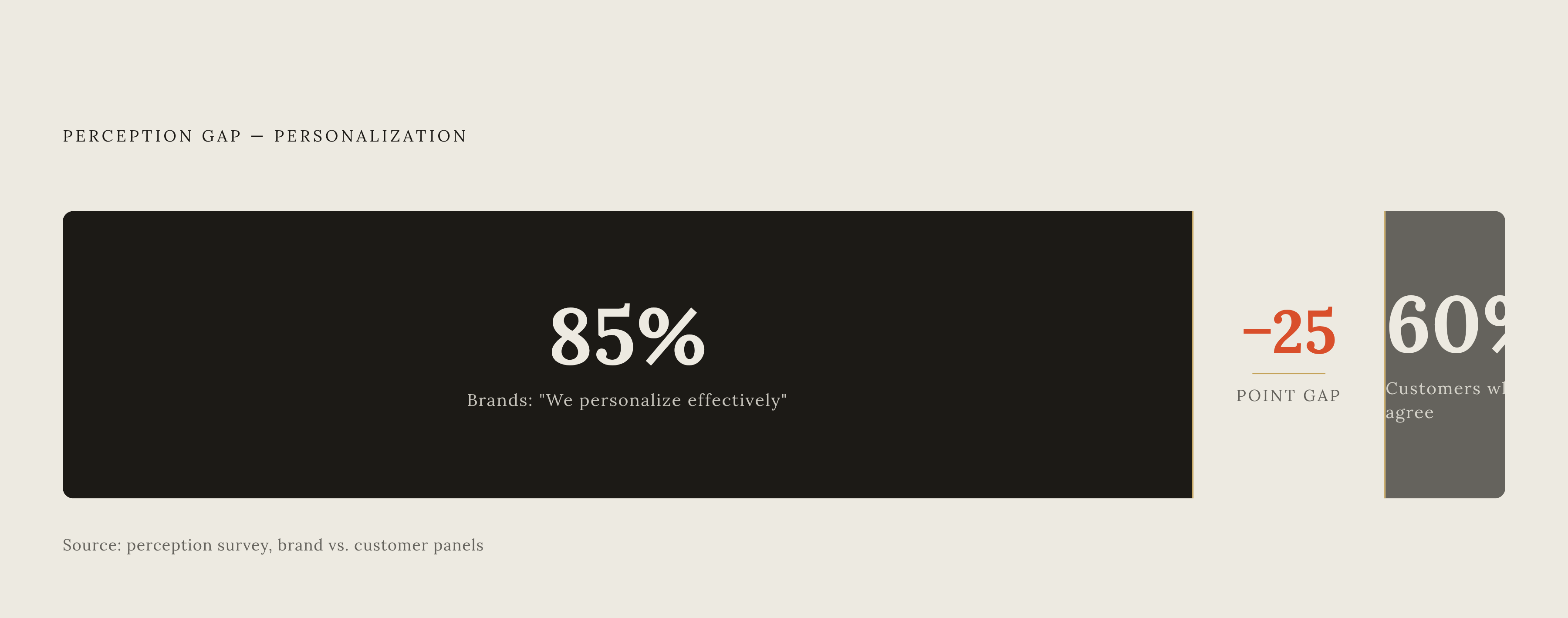
Research finds that 85% of companies believe they personalize effectively. Only 60% of customers agree. That 25-point gap describes a business narrating its own competence to itself while the audience it's narrating to has already stopped believing the story, with no internal alarm wired to catch the disconnect.
The consequences are visible in behavior, not just in survey sentiment. Separate consumer trust research finds that 72% of consumers say poor personalization decreases their trust in a brand, and more than a third call the damage significant. That erosion converts directly into lost revenue: more than 58% of consumers say they'll stop purchasing from a brand that fails to deliver personalization they value. And the failure mode most people picture, personalization that never appears, isn't the real threat. Forty-three percent of consumers say they've stopped buying from a brand because its personalization felt repetitive, intrusive, or simply off-target. A brand can lose a customer without ever going quiet on them. It just has to guess wrong enough times that the wrongness starts to feel deliberate.
Why a CRM record goes wrong continuously
Bad data rarely looks bad. A record can be complete, correctly formatted, and still useless for the job it's asked to do, because quality has nothing to do with how tidy a field looks in a dashboard and everything to do with whether the data can support the task in front of it. Most CRM failures start small: an inaccurate field, an inconsistent format, a value that's missing but never flagged as missing. None of it reads as an emergency. It just sits there, quietly wrong, in rows nobody checks.
The deeper issue is structural, and no amount of intake hygiene fixes it on its own. Research on CRM data management shows data starts decaying the moment it enters the system: records go stale without continuous maintenance, and every workflow built on top of that data inherits the same rot. The research organizes CRM quality around three properties, sometimes shorthanded as the "3 C's". Correct data reflects reality. Complete data holds real values in required fields instead of nulls or placeholders. Current data, the hardest of the three to hold onto for B2B contact records, tracks a moving target: job titles change, people switch companies, phone numbers get reassigned, email addresses go dead, all of it happening continuously, none of it tripping an alert in most CRMs.
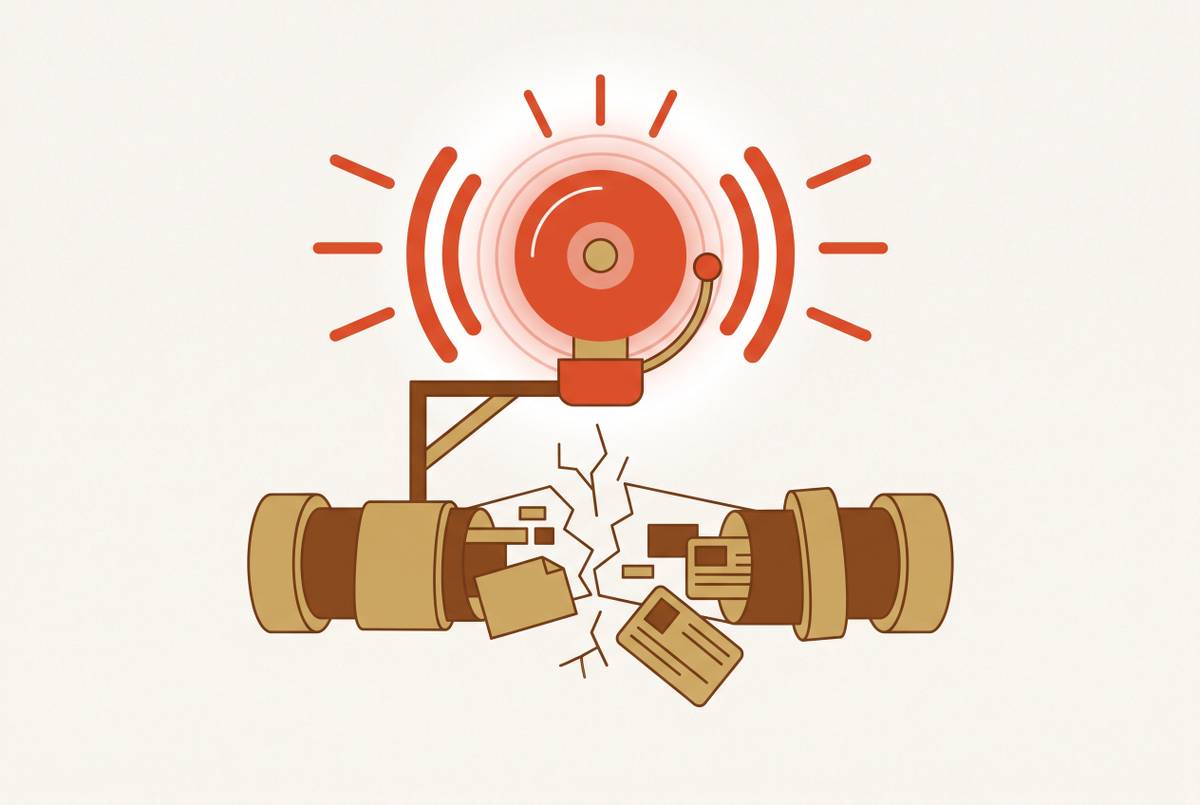
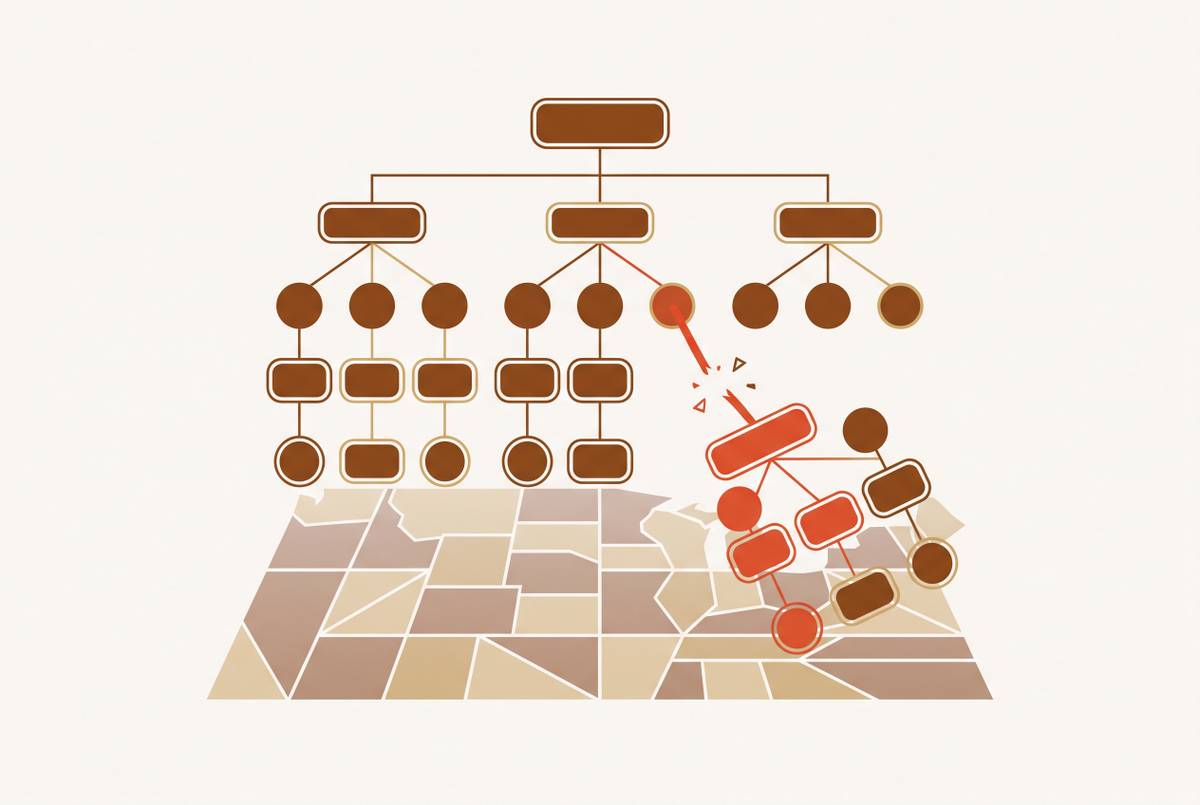
None of this needs a catastrophic error to do damage. A single mistyped phone number or a bad mailing address doesn't stay contained to the record it lives in. It propagates. Every downstream system, from the marketing platform to the support tool to whatever personalization engine sits on top of it all, inherits that mistake and acts on it as fact.
How AI amplifies dirty data into a systemic personalization failure
AI personalization needs clean, unified data to function, and feeding it fragmented or inconsistent records doesn't average out the noise. It repeats the noise at scale. In AI-driven businesses, poor data quality doesn't just cause a model to miss its target, it reinforces the error, because the model has no way to tell a bad signal from a real one. It optimizes against whatever it's handed, no matter how wrong that input is.
That produces a specific, recognizable set of failures. Product recommendations get built on purchase history tied to an account that's already closed. Marketing emails reference a product line the customer explicitly churned away from months earlier. Timing signals pulled from stale engagement data land outreach at exactly the wrong moment in the customer's lifecycle: too early, too late, or well after the customer has already walked. Duplicate records generate conflicting signals across systems, so a customer gets contradictory messages from two channels working off two different, both incomplete, versions of the same person.
Saras Analytics is direct about the requirement here: personalization reduces friction only when it runs on unified customer data, meaning recency, product affinity, order reliability, and subscription behavior reconciled into one coherent record. Skipping that unification makes what a brand calls personalization pattern-matching on noise, dressed up to look like understanding.
The trust damage that converts a bad experience into a departure decision
Ninety-three percent of consumers say they'd lose trust in a brand that mishandled their personal data, and that loss doesn't stay contained to the channel where it happened. It bleeds into loyalty, referrals, and whether the customer bothers trying whatever the brand launches next. Forty-four percent of consumers name creepy or overly aggressive targeting as a specific trust-breaker, the direct fingerprint of an AI system acting confidently on behavioral signals that were never accurate to begin with.
The damage compounds rather than accumulates evenly. A first bad personalization experience usually reads as confusion, maybe mild irritation, the kind of thing a customer shrugs off. A second one reads as confirmation that the brand doesn't actually know them, and that conclusion is far harder to undo than the mistake that caused it. Ninety-two percent of customers abandon a company entirely after two to three negative experiences, which makes the second failure close to a guaranteed churn event, with almost no runway left to correct course.
Thirty-eight percent of customers say they've left a brand specifically over poor personalization, a decision the experience itself caused, not one talked through with a retention team or reconsidered after a discount offer. By the time that departure registers anywhere, the decision is already finished.
What churn from personalization failure costs the business
Retention math sets the floor for how expensive this problem gets. Retention consistently outperforms acquisition on unit economics, and every customer lost to a bad personalization signal walks out the door as a multiple of their lifetime value.
At the organizational level, poor data quality costs real dollars, not soft KPIs. Over a quarter of organizations report substantial annual losses tied directly to poor data quality, and a smaller share report losses several times larger still. Gartner separately puts the operational waste from poor data quality at a significant sum each year for the average B2B organization.
What makes this dangerous is how well it hides. IBM's IBV research notes that poor data quality almost never announces itself at the moment it fails. It appears later, as lost revenue and missed opportunity nobody traces back to its actual source. Saras Analytics' research on churn timing backs this up: by the time topline revenue reflects the problem, the business has already absorbed months of damage it never saw coming. Bad-data churn stays invisible in early reporting and only becomes visible after it's compounded, and that combination is exactly what makes it easy to underdiagnose and expensive to keep ignoring.
The limits of churn prediction tools as a data quality fix
By 2026, most customer success teams will have some visibility into churn risk through usage health scores and system-generated flags. That visibility hasn't translated into results. Research covered by Kleene.ai found that the majority of teams running predictive churn models saw no measurable improvement in net retention compared with teams running no model. The tools got built. The lift never materialized, and that gap is the whole argument against treating churn prediction as a fix.
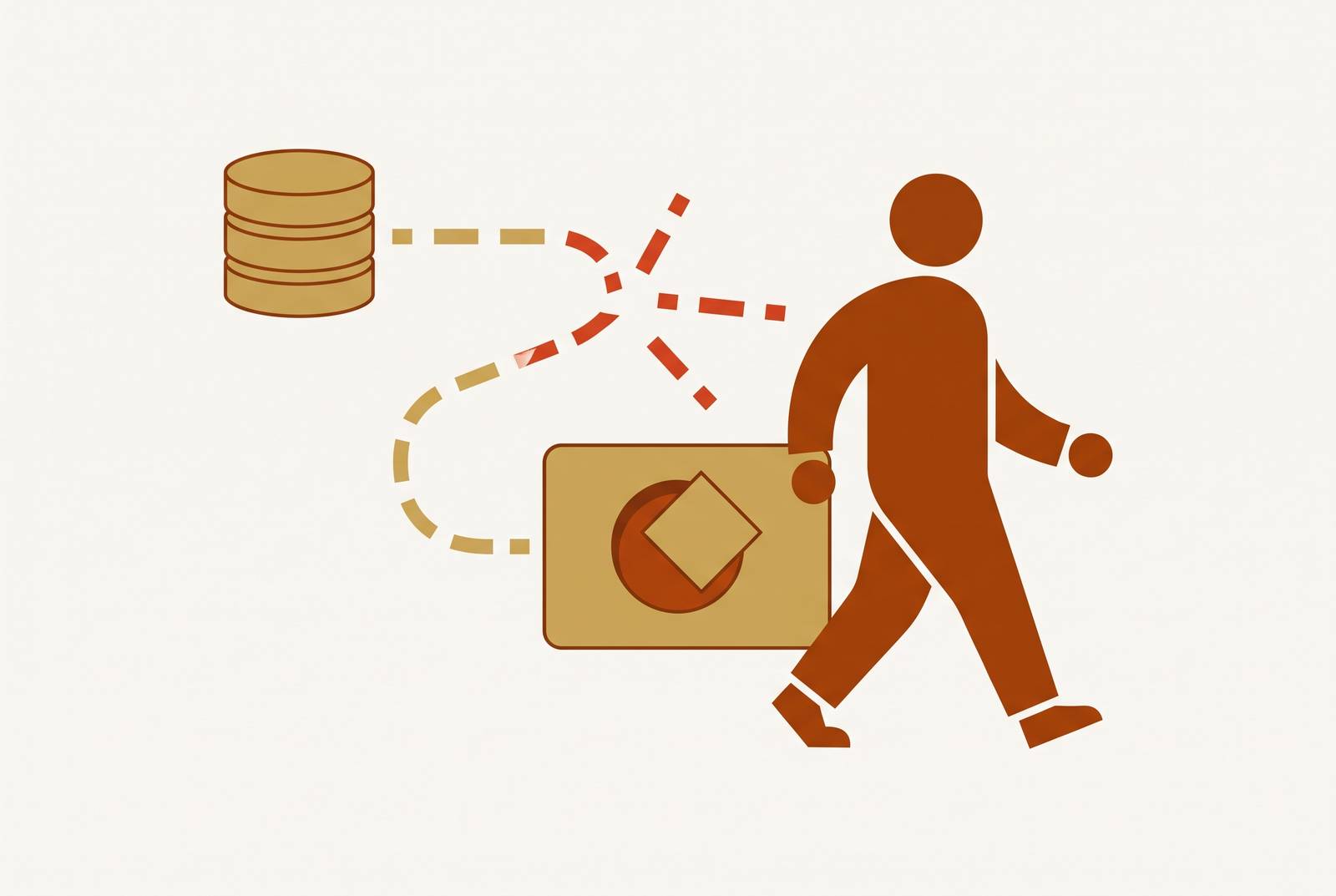
The cause is structural. Kleene.ai traces it to fragmentation: when a churn signal fires, half the context a person needs to act on it sits in a system they can't see, orders in one platform, payments in a processor, subscription state somewhere else, engagement history in a fourth tool that never talks to any of the others. The signal appears. The picture behind it stays scattered across systems that were never built to reconcile with each other.
That's a data reliability problem wearing a tooling costume. Churn signals fire off incomplete or inconsistent records, so whatever intervention the model recommends rests on the same broken foundation that caused the personalization failure driving the churn. Churn itself tends to be quiet: Saras Analytics describes it hiding behind stalled cohorts and segments that stop buying while paid acquisition channels still look healthy on paper, with revenue only catching up to the truth months later. A better prediction model just gives the business a more confident-looking dashboard sitting on top of the same unreliable data. It just gives the business a more confident-looking dashboard sitting on top of the same unreliable data.
What fixing the data foundation requires at the CRM layer
Saras Analytics frames the requirement simply: personalization works only when a business has a clear read on a customer's intent and timing, and that clarity depends on unified data that stays current, accurate, and consistently structured across every touchpoint the customer touches. Everything else is downstream of that one requirement, and no amount of modeling sophistication substitutes for it.
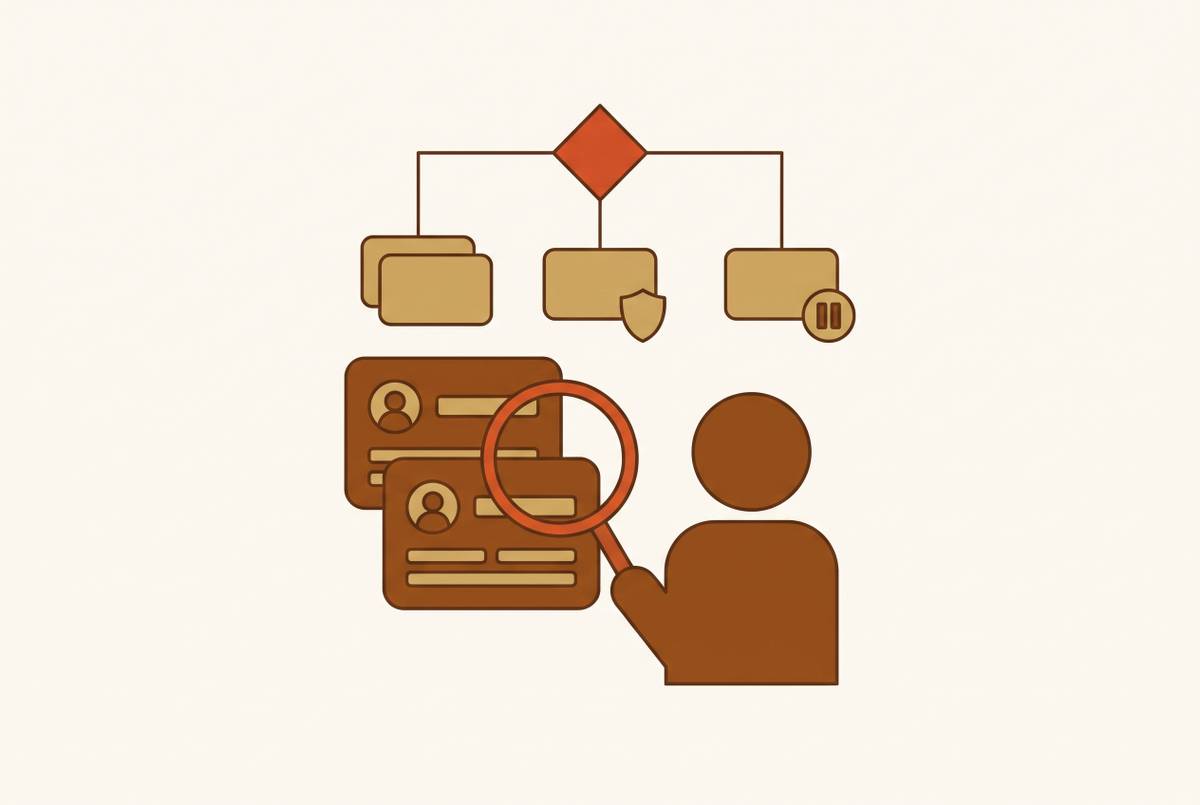
Reliable CRM data is ongoing maintenance, closer to plumbing than to a campaign launch. It's ongoing maintenance, closer to plumbing than to a campaign launch. Duplicate detection has to run continuously, because new duplicates enter the system every day, not just during a cleanup sprint scheduled once a year. Field completeness needs active monitoring that flags and fills gaps before they cause downstream errors, not after a customer has already gotten the wrong email. Freshness needs enforcement: the system catches when a contact or account record has gone stale and triggers enrichment automatically rather than waiting for someone to notice three quarters later. Consistency checks need to run across every connected system, so the record the CRM holds actually matches what the commerce platform, the billing system, and the marketing platform each see independently.
Alerts alone don't close this loop. Fixes need to get proposed and applied at the same pace records are breaking, which takes more than flagging a problem to a data team and hoping it gets handled eventually. Human review queues fill faster than any team can clear them, and that backlog is precisely why data teams currently spend 30 to 40% of their time on data quality issues instead of on work that generates revenue. Getting that time back is the actual point of a serious data reliability effort.
Building personalization on a reliable data foundation: what changes
Running personalization on data that's actually reliable flips the entire dynamic. Instead of telling a customer the brand has lost track of them, every interaction signals the opposite, and that signal compounds into trust and retention rather than eroding both.
The financial case doesn't need much argument. Contentful's research shows personalized calls-to-action outperforming generic ones by 202%, and that number only holds when the data behind the personalization correctly identifies a customer's actual state and intent, not a guess pulled from a stale record. Pair that with the compounding retention economics noted earlier, and fixing the data foundation stops looking like a cost center. It starts looking like the highest-leverage investment available to the business.
What reliable data actually unlocks is concrete. Lifecycle stage identification gets accurate, so outreach lands where the customer actually is, not where a six-month-old record assumes they still are. Messaging stays consistent across email, sales, and product instead of contradicting itself channel to channel. Churn prediction becomes trustworthy, because the health scores and risk flags are built on records that are complete and current rather than scattered across four systems that never talked to each other. AI workflows stop amplifying the errors they were built to catch, because the data they train on and act on finally reflects the customer as they are, not as some decaying record from three quarters back insists they still might be.